
Hispanic families around the Dallas–Garland area should be able to go to the doctor and feel comfortable. These families should not feel nervous or misunderstood. But for many people, things become complicated because of different factors. The language barrier creates problems for their communication needs. People experience problems because doctors fail to understand their cultural background and values.
Culturally sensitive healthcare creates important benefits for patients who receive it. Clinics that understand Hispanic traditions, family dynamics and communication patterns create more accessible and welcoming experiences for their patients.
Dallas needs healthcare facilities to provide this specific type of understanding towards their multicultural population. Families require this particular service to meet their essential needs.
What Is Culturally Sensitive Healthcare?
Culturally competent healthcare means healthcare professionals create clinical strategies that consider the language, culture, and values of the patients they serve. This helps Hispanic families gain trust in healthcare providers and adhere to the prescribed interventions.
Respect language, traditions, and family roles
Use the patient’s preferred language (in this case, Spanish). Honor family roles and beliefs. For example, let a grandparent explain home remedies and ask how those practices could fit with the doctor’s plan—don’t dismiss them outright.
Patient–provider communication
Use plain speaking and active listening, and check for understanding. Don’t use medical jargon, and try a short check like, “Can you explain what you will do moving forward?” It’s simple, and it works.
Make treatment fit the family
Build plans that match beliefs, typical foods, and who helps at home. Bring family into decisions when the patient wants that. Offer options that make the plan doable in real life.
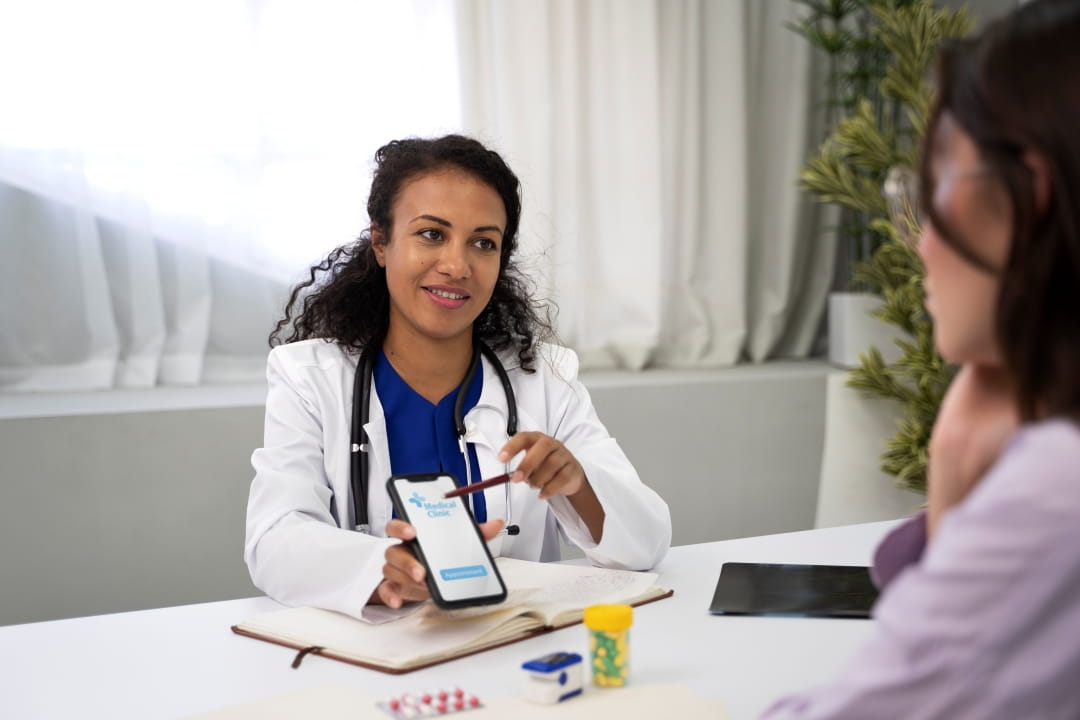
Why It Matters for Hispanic Families in Dallas–Garland
The healthcare system in the Dallas-Garland area of North Texas needs to provide medical services that understand and value the cultural traditions of Hispanic families in Garland and also in Dallas, TX. Hispanic population is increasing because numerous families now choose to establish their homes in this area, while others move throughout Texas.
Culturally friendly care means more than just medical treatment—it’s about understanding
- People’s language
- Traditions
- Values.
The Hispanic community currently faces multiple healthcare challenges because they lack sufficient access to medical insurance, and they fail to attend routine health assessments. They are also experiencing difficulties in effective communication with their physicians.
Spanish-speaking services, together with culturally sensitive treatment options, create a comfortable environment that increases patient trust at medical clinics. Patients who experience these advantages will seek medical assistance at earlier times because they do not want to experience severe health issues.
The community is the recipient of this support, and it is especially important in the prioritization of public health.
The Impact of Language Barriers in Healthcare
Language barriers can make medical treatment confusing and dangerous. If patients and medical staff speak different languages, there can be problems:
Misunderstood Prescriptions
If the prescription directions are not communicated in the patient’s language of choice, it may be confusing. A Hispanic parent may not understand the frequency of taking medications or the foods to avoid. This may cause the treatment to be less effective and may pose health risks.
Missed Appointments
If prescription directions are not communicated in the language of choice, it may be confusing. A Hispanic parent may not comprehend the frequency of taking medication by their child or the foods to avoid. This may affect the efficacy of the treatment and pose health hazards.
Incorrect Medication Usage
Language barriers may result in patients missing crucial visits with their doctors. If notifications, instructions, or calls from the clinic are in English only, the Hispanic family may not receive the information effectively.
Anxiety During Visits
Many Hispanic patients experience anxiety when they cannot effectively communicate with their doctors. The patients experience two fears, which make them unwilling to ask questions. Families who want to share essential symptoms face an impediment because anxiety stops them from receiving optimal medical treatment.

How Local Hispanic Clinics Support the Community
In the Dallas–Garland area, local Hispanic clinics offer care that fits family life and culture. Here’s how they help every day.
Family medicine
Family medicine clinics treat patients of all ages in one setting. It fosters trust and continuity of care because a single provider can treat multiple family members and has access to the family’s complete health history.
Preventive screenings
The clinics offer tests for diabetes, hypertension, and certain cancers. Early detection of issues enables patients to receive easy care and remain healthy.
Chronic disease management
Healthcare providers give patients the tools to manage their conditions, such as diabetes and hypertension. This includes easy-to-follow instructions, guidance on the use of prescribed medication, and follow-up via text in Spanish.
Women’s health services
Bilingual staff members are available to provide respectful, culturally sensitive advice while clearly explaining the choices for prenatal care, well-woman visits, and baby planning.
Pediatric care
Pediatric care consists of three main components:
- Vaccination programs
- Growth assessment checkups
- Medical consultations for ill children.
Clinics provide parents with vaccine schedule information and follow-up procedures in their selected language.
Get Instant Health Care from a Spanish-speaking Doctor
In the Dallas–Garland area, you can get quick care from Spanish-speaking doctors through clinics, telehealth, and urgent care centers. Many clinics offer same-day visits or video calls “en español.” This helps families explain symptoms clearly and get the right medicine fast.
How to get instant care:
1) Call Vida Care Medical Center, a local clinic and request a provider who speaks Spanish.
2) Utilize telehealth applications and search for video visits that indicate Spanish or ‘español’.
3) Go to an urgent care center or facility that is populated with bilingual staff who can assist you with any emergencies (fever, cuts).
4) Arrive on-site prepared and include your identification, medications, and symptoms (written down).
Some Helpful Hints for Your Visit:
1) Request that the doctor give you written (Spanish) instructions and restate them so you can fully understand what is being requested of you.
2) Bring someone along that you can rely on and will be able to help explain and make decisions with you.
In conclusion, using instant Spanish care will help you communicate more effectively, reduce any anxiety you may have, and allow families to recover more quickly.